
We have learned a lot from our experiences hiking through various desert environments, and have put together a Top 10 List with some of the most important bits of advice we would like to share. Exploring in extreme environments can be made a lot safer and more comfortable if you are properly prepared. We want to help you get the most out of your experience when hiking and exploring these desert terrains! This is not an exhaustive list of everything you might need or want to know, but hopefully some helpful tips and reminders for desert hiking.
Number
1
Always check the weather, especially for flash flood warnings
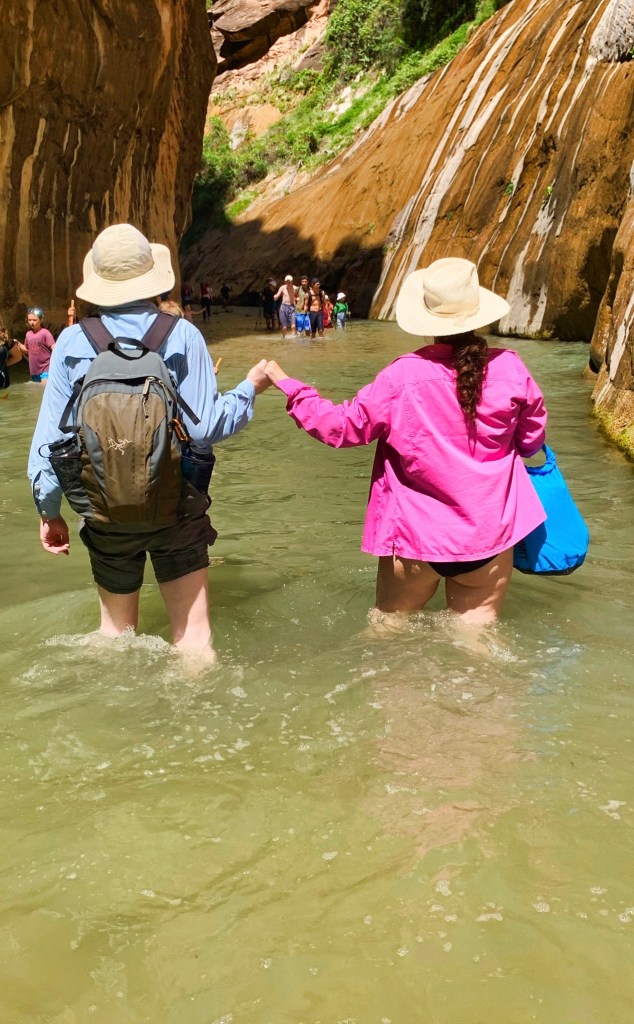
Checking the weather before you go out may be the most important thing to help keep you safe. You may think the desert is always hot and dry, but passing storms, sometimes even from a long distance away can cause flash flooding conditions that can be unpredictable and dangerous. It is always a good idea to check the weather and risk level for flash floods even when hiking in the desert, and especially when venturing into slot canyons. Being aware of the possibilities and making sure you take the steps needed to keep yourself and your group as safe as possible is something that shouldn’t be overlooked. Whether it is letting others know of your travel or hiking plans, sticking together while on the trails, or adjusting your plans as the weather indicates. There are many ways to help keep you safe and to avoid situations that could be very dangerous, and knowing of the possibilities and preparing for them is the best place to start.
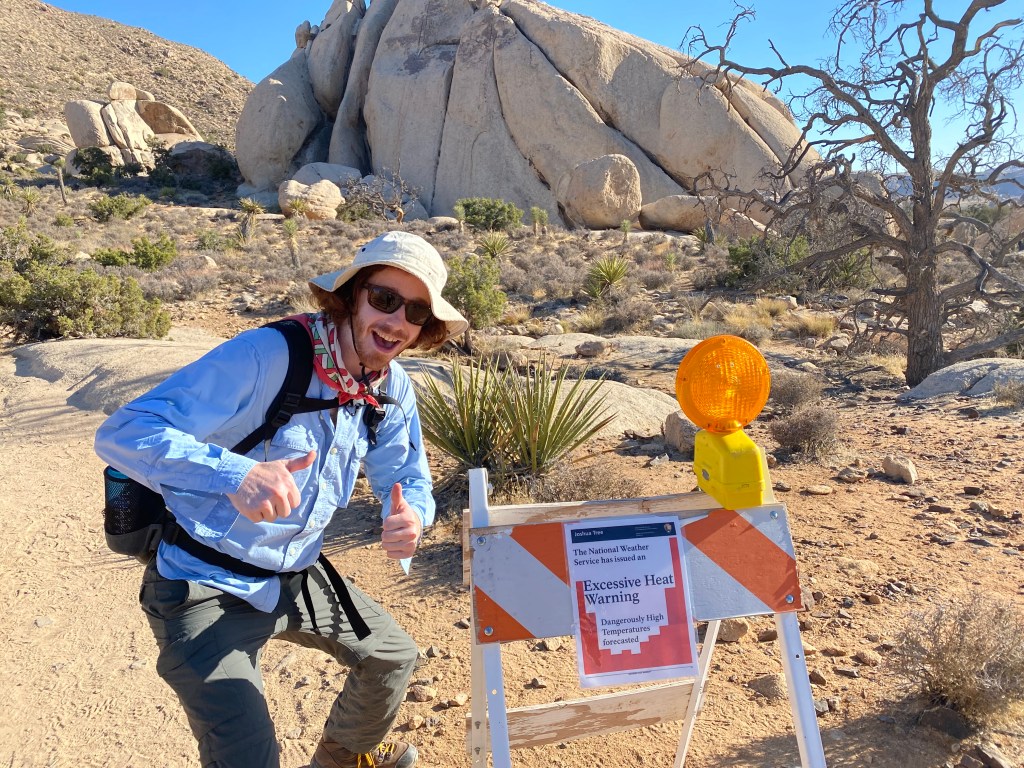
There may also be heat or air quality advisories which are also worth knowing and considering when planning your trip. Even in the desert and in the hottest place on Earth, some days are hotter than others, planning ahead and checking the weather can help you get the most from your time.
Number
2
Bring lots of water
This may sound like an obvious one, but truly, over prepare. When I first started hiking I was lazy about bringing my own water bottle because I didn’t feel like carrying it. JK would fill his and then be surprised when I expected we would be fine sharing that one bottle. After a few thirsty experiences, and some supplemental water bottles, JK made me get my own refillable water bottle to have. Even having my own full bottle, I usually wished I had more by the end of the day. We also prefer to use transparent water bottles, or at least ones where you can tell how much water you have left at any given time. Using the backpack systems, you often have no idea how much water you have left, or have consumed. This can make rationing water and being aware of your remaining water supply much more challenging and potentially dangerous.
Number
3
Hike early in the day or later in the evening
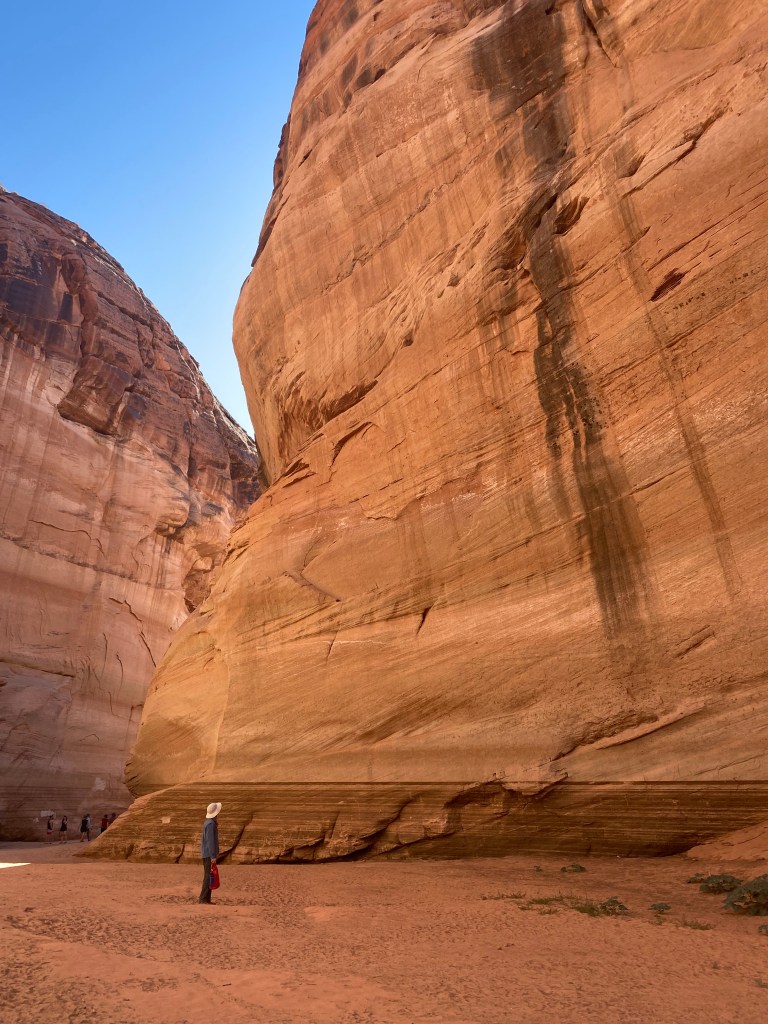
Planning your hikes in extreme temperatures is a smart and often necessary idea. Certain times of year may not have the same heat and risks as other times, but the time of day can also be a large factor in the temperature, and your comfort as well. The heat of the sun is usually strongest in the mid-day to mid-afternoon. Usually it is coolest early in the morning or around sunset and, can at times, get quite chilly at night. We did learn from a hike in Death Valley though, that even going later in the day may not prove much relief if the rocks and surrounding area have been baking in the sun all day.

Number
4
Do higher elevation hikes during the hotter parts of the day
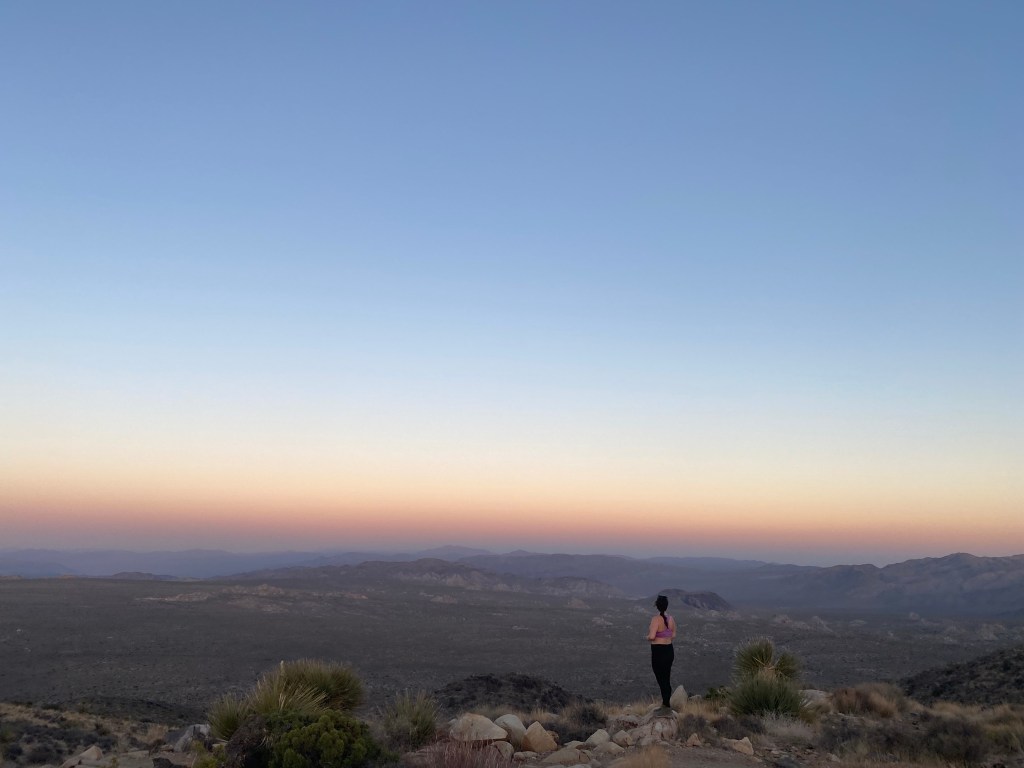
In order to make the most of your time in the desert, even if you do happen to be traveling during the hottest times of the year, you can usually escape the heat, or at least minimize it by going to higher elevation. We learned that for every 1,000 ft of elevation you climb, you can expect the temperature to drop about 5 degrees Fahrenheit. This allowed us to make the most of our time in Death Valley, doing some higher elevation hikes during the hottest parts of the day, and heading to lower elevations earlier and later in the day. So, if you don’t feel like a siesta in the mid-day heat, you can still get out there and do some exploring.
Number
5
Bring snacks that won’t melt
Let’s be honest with ourselves, the best part of trail mix is definitely the chocolate. Unfortunately, bringing that to a very hot climate when you’re going to be out in the elements all day is not a great idea. Try dry fruit instead, at least there’s still sugar in that! Clementines or other fruit that can be easily peeled and transported can also make a great snack that can be refreshing in dryer environments. It’s always a good idea to have a few snacks on hand, especially if folks you travel with have blood sugar concerns. Although eating and digesting can be a bit dehydrating and requires water, sometimes a bit of sugar, a snack, or some electrolytes are just what you need when you are out in the heat. Also, make sure to take all your trash with you, including fruit peels! These can take years to break down, even longer in dry environments, and in many cases are not a part of the natural space. If you are bringing something in, be prepared and responsible for bringing it out. Leave only footprints (and maybe not even those,) allow the next people who visit to have their own experience and not be looking at trash and markings others have left behind. And if you see some trash on the ground, pick it up! Be respectful of the environment, and be a good example to those around.

Number
6
Wear a hat that has a wide brim
The sun can be very intense in these desert environments and you want to have a hat that not just covers your face, but gives extra protection to your shoulders, chest, and neck as well. We also recommend getting a hat that has some sort of tie or strap to keep it secured on your head. You never know when a strong gust of wind might try to pull that hat right off your head and send it blowing across an entire salt flat!

Number
7
Cover your skin with UV blocking clothes
It may seem like wearing long sleeve shirts and pants would make you hotter, but in a very sunny, hot environment, you are essentially creating your own shade. The material is lightweight and comes in all sorts of colors and styles, some will even include areas for ventilation. With our skin types, we need to be aware of our sun exposure levels and we hate having to reapply sunblock, especially when we have already been out hiking, getting sweaty and dirty. The less skin we have exposed to the sun, the less we have to worry about it getting burned!
As a bit of a bonus tip here, just a general reminder to take care of your skin when in the desert. Use the sun block (mineral based if possible) when needed, use the shade to your advantage, but also make sure you are using some moisturizer if you are there for a few days. The dry environment can certainly take its toll, and making sure to rehydrate and moisturize after a day out exploring the desert can do wonders for your comfort.
Number
8
Bring a scarf to cover your face
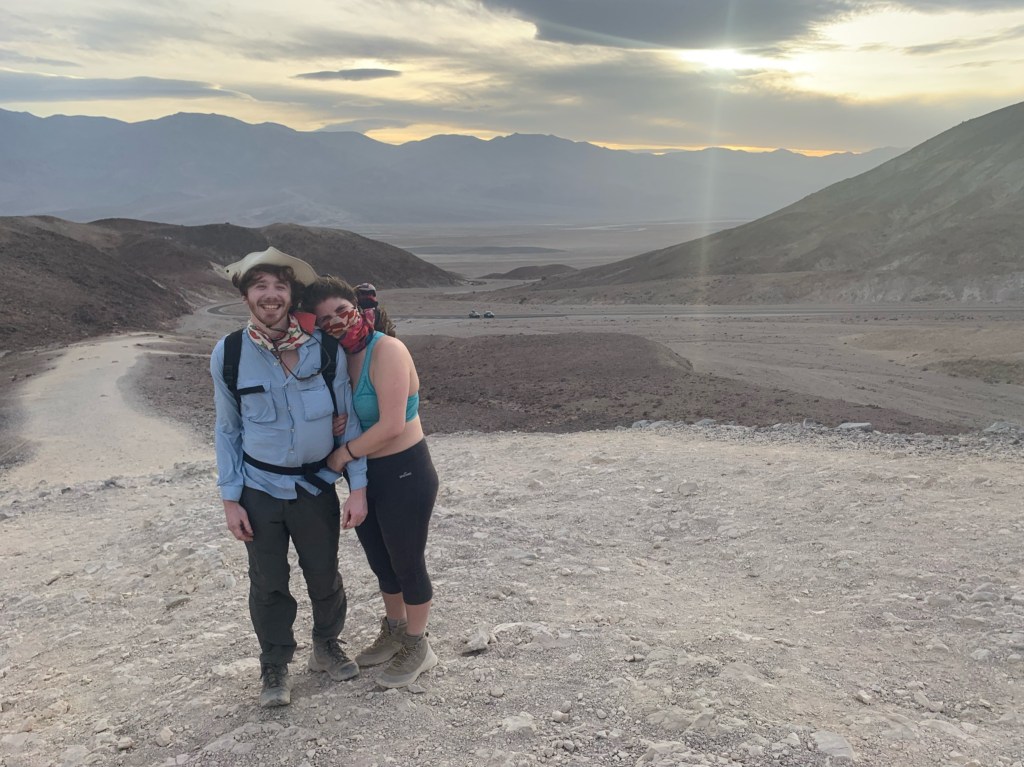
JK’s bandana ended up being more than just a fashion accessory! When we went hiking in Death Valley I did not bring a scarf for my face. JK had offered me an extra face covering before we went out for the day, but I didn’t think I would need it at the time. The wind was really intense and I was getting so much sand in my mouth, nose, and eyes! My nose was also getting so dry from the conditions that it started burning and bleeding. Luckily, one of our friends had an extra scarf on hand and let me borrow it for the rest of the day. After that, I made sure to always take one with me!

Number
9
Wear sunglasses for some eye protection from the wind and sun
Remember how terrible I felt not having a scarf in the desert? Now imagine with all of the sand and dirt blowing around, how much worse off I would have been without eye protection?! Also with the intense sunlight and glare, it helps to have a good pair of sunglasses. Polarized or not, you are going to want protection for your eyes from the sun and wind to make sure you are the most comfortable.

Number
10
Wear hiking boots
Whether you choose a good set of hiking shoes or boots, is really up to you and your comfort, but there are a few reasons why we choose to wear boots when we are hiking in the desert. First, if we are going to be walking on unsteady or rocky surfaces, or dealing with elevation changes, having that extra ankle support can be a big help, especially if you are prone to twisting or rolling your ankles. Also, if you should happen to encounter any critters such as snakes or scorpions, having a bit more protection is not a bad idea. The same can be said when walking through or around cacti or other things that may poke or scratch.
There are many ways to have a great time out in the desert and create an experience that works for you and your needs. Hopefully some of these tips can help you get the most out of your time! Have you used any of these tips or techniques before? Or do you have other tips you would like to share for desert hiking? Let us know!
 Inspired By Travel
Leave a comment